TMJ/Jaw Tension
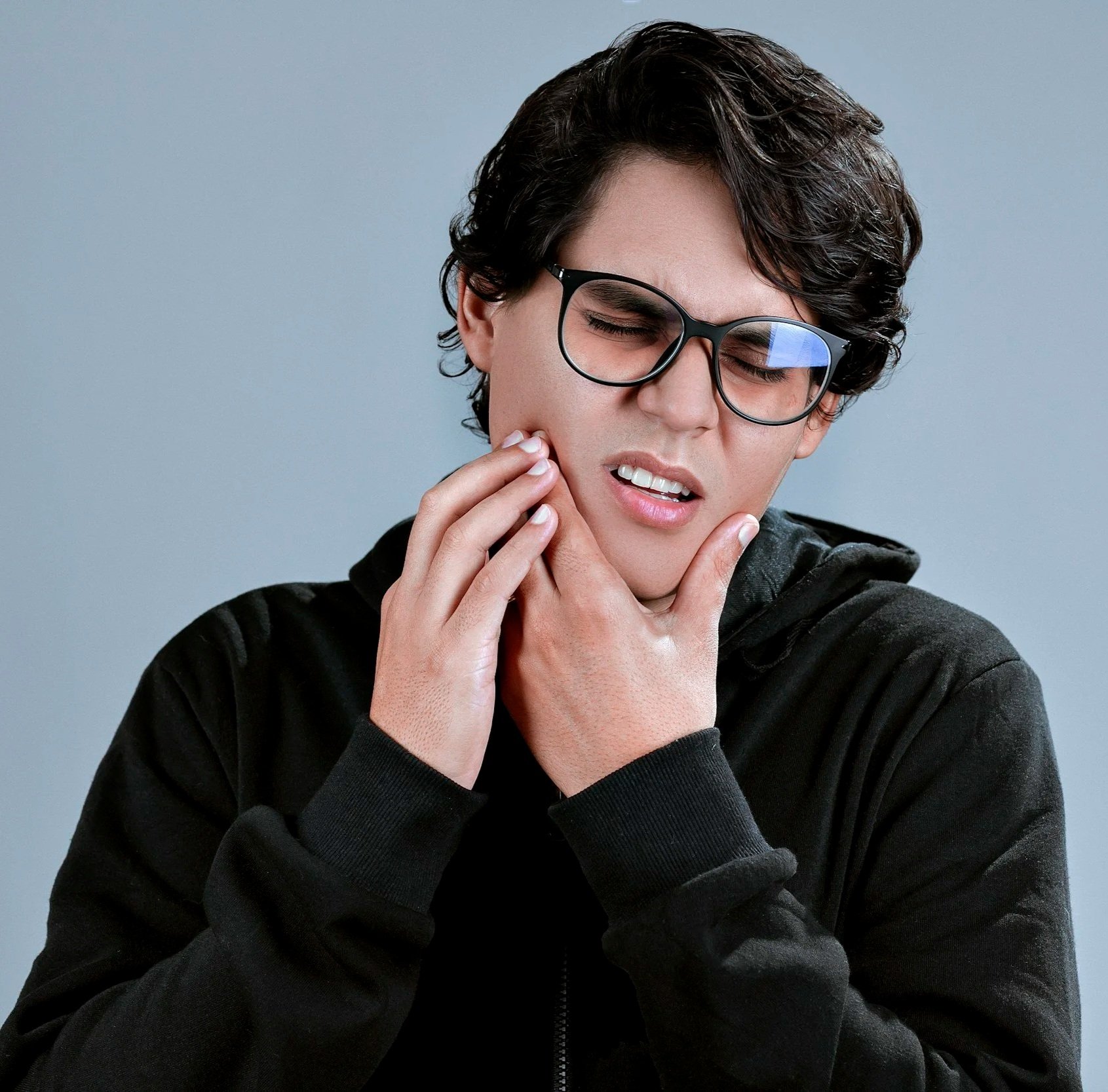
Jaw pain and TMJ dysfunction don't always exist in isolation. The muscles and connective tissues around the jaw have strong relationships with the neck, shoulders, upper back, and head, and changes in posture or movement can contribute to how much tension you carry through these areas. For some people, jaw tension may occur alongside neck pain and neck tension, shoulder pain, headaches/migraines, poor posture, or difficulty moving comfortably.
Stress can also play a significant role in jaw tension. Many people unconsciously clench their jaw, grind their teeth, or brace through their face and neck when under stress. Over time, these patterns can become habitual, making it difficult for the jaw and surrounding muscles to fully relax even when the original stress has passed. Rolfing can help bring awareness to these patterns and work with the surrounding structures to create more ease and options for how you hold and move your body.
Rolfing Structural Integration approaches relationships as part of a larger whole-body pattern. Rather than focusing exclusively on the jaw, sessions may explore the relationship between the jaw, neck, shoulders, rib cage, and rest of the body to identify areas of restriction and unnecessary tension. By improving awareness and creating more options for movement, Rolfing can complement rehabilitation and support greater mobility, flexibility, and ease throughout the head, neck, and upper body.
Rolfing Structural Integration sessions in Austin, TX.