How can Rolfing help my rehabilitation process?
Even though your injury may be healed, the movement pattern may not be. After surgery, a fall, or an accident, your body has to adapt. You may protect an injured area by moving differently, bracing, shifting your weight, or avoiding certain ranges of motion. Those adaptations can be useful while you heal. But sometimes they stick around long after the original injury has improved.
You might notice things like:
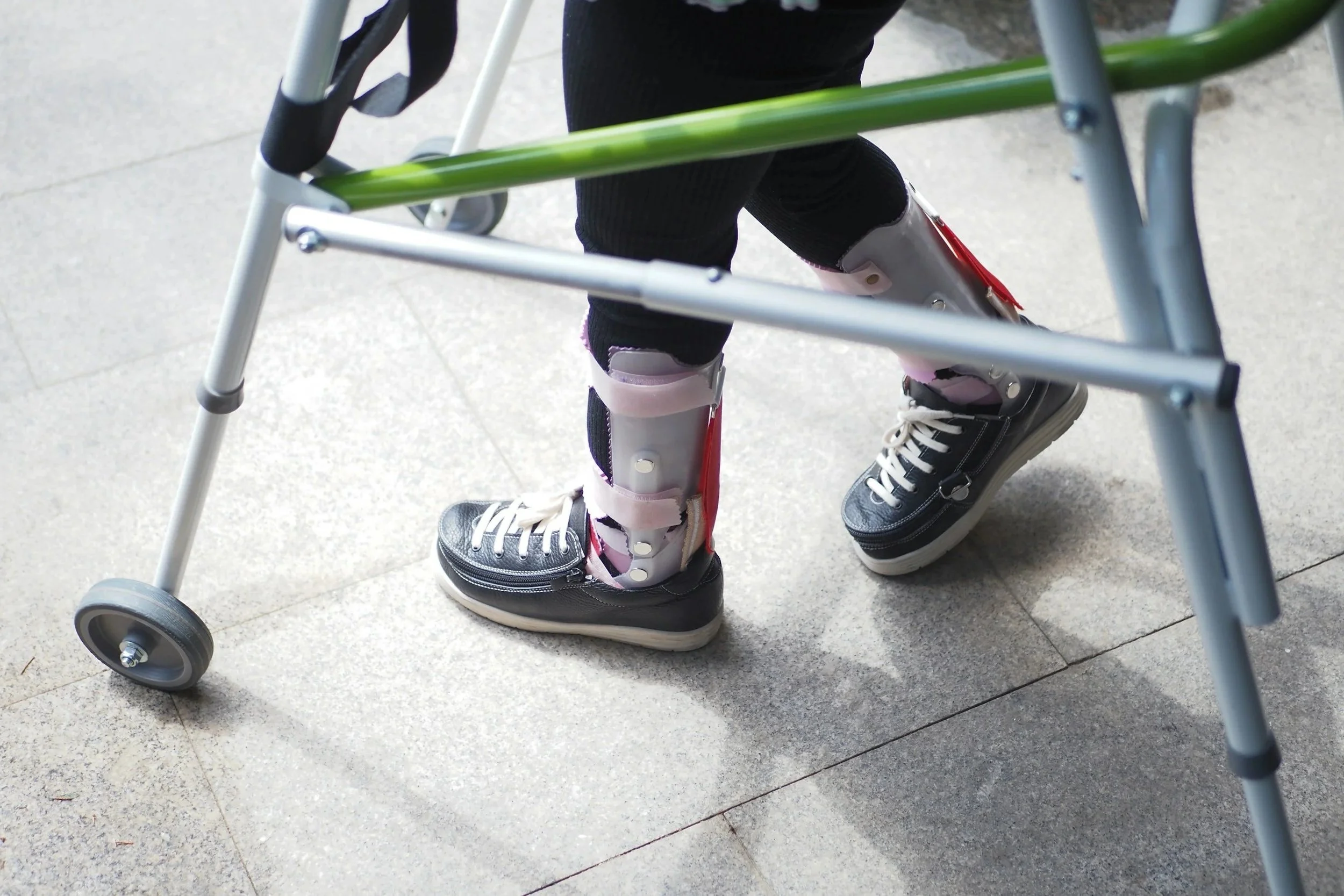
When you’re healing after surgery, the body sprays fibrous connective tissue throughout the wound to heal as quickly as possible. Unfortunately, the body doesn’t care as much about the function of the scar as much as the speed. Because of this, the scar can lack the ability to slide and glide, leading to further complications.
This is where Rolfing Structural Integration can be a useful complement to rehabilitation. Working to mobilize scar tissue during the healing phase can enable the surgery to be a complement to your life not an inhibitor, like so many surgeries turn out to be.
Rolfing looks at the body as a connected system rather than treating the painful area in isolation. Through slow, specific manual work and movement awareness, we explore how your body is organizing around the changes that happened to it. The goal isn’t to force your body back to the way it was before. It’s to help you discover a new, more efficient way of moving.
Rolfing can complement physical therapy and other forms of rehabilitation by bringing attention to the larger patterns surrounding an injury. We’ll help you reconnect with movement that feels more balanced, coordinated, and natural. Your body adapted to get you through it. Now it may be time to help it adapt again.
Rolfing Structural Integration sessions in Austin, TX.